

Better Plumbing Better Living
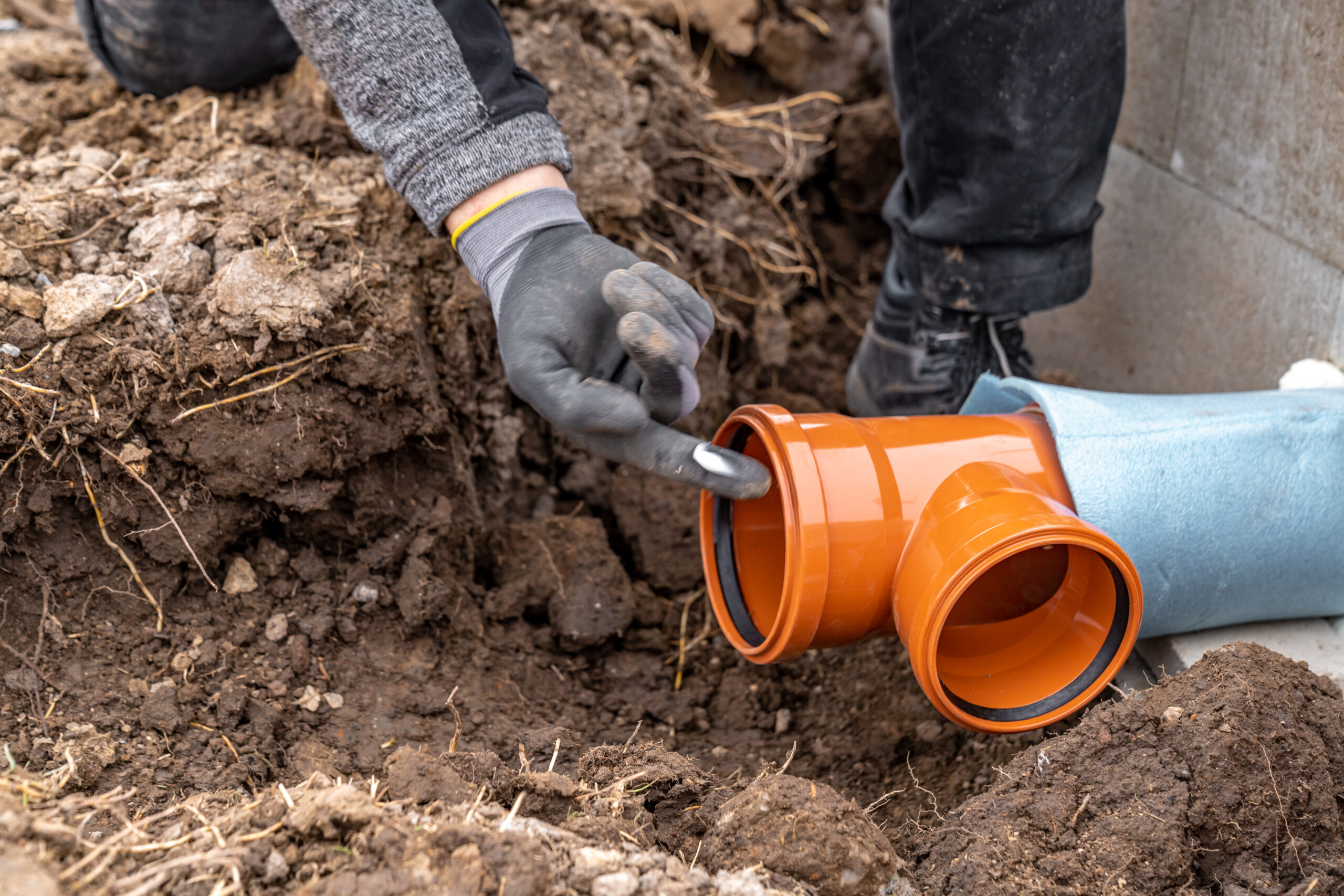
A blocked drain is frustrating enough when it happens once, but a drain that repeatedly becomes slow, starts producing unpleasant smells or backs up with wastewater usually indicates a more persistent problem. Pouring hot water down the plughole or using a shop-bought drain cleaner may provide temporary relief, but if the blockage keeps returning, the underlying cause has probably not been properly identified or removed.
Recurring drainage problems can affect sinks, baths, showers, toilets, kitchen appliances and external drains. In some cases, the cause is a simple accumulation of grease, hair or soap residue. In others, the blockage may be linked to damaged pipework, tree-root intrusion, an inadequate pipe gradient or a problem within the wider drainage system.
Ignoring a regularly blocked drain can lead to water damage, overflowing wastewater, unpleasant odours and more expensive repairs. Understanding why the blockage keeps returning is the first step towards finding a lasting solution.
A completely blocked drain is usually obvious because water stops flowing away. However, many drainage problems develop gradually. Recognising the early warning signs gives you an opportunity to arrange an inspection before the pipe becomes completely obstructed.
One of the first symptoms is slow drainage. Water may remain in a sink, shower tray or bath for longer than usual, or the water level in a toilet may rise before slowly falling. You may also notice gurgling sounds when a tap is running or after a toilet has been flushed. These noises can occur when trapped air is forced through restricted pipework.
Unpleasant smells are another common warning sign. Food, grease, hair and other organic material can become trapped inside a drain and begin to decompose. The resulting odour may come through a kitchen sink, bathroom plughole or external drain.
More serious signs include wastewater returning through a plughole, water appearing in one fixture when another is used, overflowing inspection chambers or sewage collecting outside the property. These symptoms may indicate a blockage within a shared or main section of the drainage system and should be investigated promptly.
A recurring blockage normally means that the obstruction was only partially removed or that there is an unresolved problem with the pipe itself. A plunger or drain-cleaning product may create a small opening through a mass of debris, allowing water to pass temporarily. However, the remaining material can quickly collect more waste and close the pipe again.
The location of the blockage is also important. If only one sink or shower is affected, the obstruction may be close to that fixture. If several appliances and drains are slow at the same time, the problem is more likely to be within a larger branch pipe, an underground drain or the main drainage connection.
Professional investigation is particularly valuable when a blockage returns soon after it has been cleared. Rather than repeatedly treating the visible symptom, a plumber or drainage specialist can assess the condition and layout of the pipework to determine why waste is not flowing away correctly.
Grease is one of the most common causes of repeated kitchen drain blockages. Although cooking fat and oil may be liquid when poured away, they cool and solidify inside the pipe. The sticky coating then traps crumbs, food particles and other debris.
Over time, the opening inside the pipe becomes narrower. Water may initially continue to drain, but the flow will gradually slow until the pipe becomes severely restricted or completely blocked. Using hot water can soften some grease temporarily, but it may simply move the material further along the drainage system, where it cools and hardens again.
Cooking oil, melted butter, meat fat, sauces and greasy washing-up water should not be poured directly into the sink. Allow fats to cool and place them in a suitable sealed container for disposal. Wiping greasy pans and plates with kitchen paper before washing them can also reduce the amount of residue entering the drain.
If a substantial grease deposit has already formed, it may require mechanical cleaning or professional high-pressure water jetting. A lasting solution must remove the accumulated material rather than creating a temporary channel through it.
Even small pieces of food can contribute to a blocked kitchen drain. Rice, pasta, flour, coffee grounds and similar materials are particularly troublesome because they can swell, clump together or create a thick paste when mixed with water.
Food waste can also collect in the sink trap, which is the curved section of pipe beneath the basin. This component is designed to retain a small amount of water and prevent drainage odours from entering the room, but it can also catch debris.
Use a sink strainer to prevent food from entering the plughole and scrape plates into the bin before washing them. If the sink regularly becomes blocked despite careful use, the trap or connecting waste pipe may need to be removed and thoroughly cleaned.
Bathroom drains commonly become blocked by a combination of hair, soap, shampoo, conditioner and body-care products. Loose hair catches around fittings and rough areas inside the pipe, creating a mesh that traps more material.
Traditional soap can react with minerals in the water and form a stubborn residue known as soap scum. When combined with hair and skin cells, it can create a dense obstruction that is difficult to remove with hot water alone.
A removable hair catcher placed over the shower, bath or basin outlet can significantly reduce this problem. Clean it regularly rather than waiting until water begins to drain slowly. If the blockage is deeper inside the pipe, a suitable manual drain tool may help, although care must be taken not to damage the fittings or push the obstruction further into the system.
Persistent bathroom blockages may indicate that a larger amount of material has accumulated farther along the waste pipe.
Toilets are designed to carry human waste and toilet paper. Wet wipes, sanitary products, cotton buds, nappies, dental floss, paper towels and other household materials should never be flushed.
Even products described as flushable may not break down as quickly as toilet paper. They can become caught on joints, rough surfaces, roots or existing deposits inside the drain. Additional material then collects around them, creating a larger obstruction.
Sanitary products and wipes can also combine with fats and oils within the sewer system, producing extremely solid blockages. Keep a suitable bin in the bathroom and dispose of these items with household waste.
If an object has accidentally been flushed, avoid repeatedly flushing the toilet in an attempt to move it. This could cause the bowl to overflow or push the object into a less accessible section of the drain.
When a drain appears to improve after plunging or using a cleaning product, it is easy to assume that the problem has been solved. However, these methods may only open a narrow passage through the obstruction.
Water can then flow for several days or weeks before more debris becomes trapped and the blockage returns. This is especially common with grease, scale, compacted waste and foreign objects.
A repeated cycle of blocking and temporary clearing is a strong indication that a more thorough cleaning method is required. Depending on the condition and location of the pipe, a drainage professional may use mechanical equipment, high-pressure water jetting or a camera inspection to locate and remove the entire obstruction.
Not every blockage is caused by something that has been put down the drain. Underground pipes can crack, fracture, become displaced or partially collapse because of age, ground movement, heavy loads or poor installation.
A damaged section of pipe can interrupt the smooth flow of wastewater. Debris catches on broken edges or displaced joints, leading to repeated blockages in the same area. Soil may also enter through a crack and reduce the available space inside the drain.
Common warning signs include recurring blockages despite professional cleaning, damp ground, unpleasant smells outdoors, unexplained subsidence, unusually green patches of grass or wastewater appearing near the suspected pipe route.
A drainage camera survey can often reveal the condition of the pipe without immediately excavating the ground. Once the damage has been identified, the appropriate repair may involve local excavation, replacement of the affected section or a suitable no-dig repair technique.
Tree and shrub roots naturally grow towards sources of moisture. If an underground drain has a small crack, loose joint or damaged seal, fine roots may enter the pipe. They then continue growing inside the drainage system, where they trap toilet paper, waste and other debris.
Removing the visible roots may restore flow temporarily, but the problem is likely to return if the access point is not repaired. Roots can grow back, particularly while moisture continues to escape from the damaged pipe.
Tree-root intrusion is more common in older drainage systems and properties surrounded by established vegetation. A camera survey can help confirm the presence of roots and identify the damaged section. The roots must be removed using an appropriate method, followed by repair or sealing of the affected pipework where practical.
Waste pipes and underground drains need an appropriate gradient to allow water and solid material to travel through the system effectively. If a pipe is too flat, wastewater may move too slowly and leave debris behind. If the gradient is unsuitable in another way, water may move away without carrying solid waste with it.
A sagging section of pipe can create a low point where water and waste collect. This is sometimes called a belly in the pipe. Deposits build up in this area and cause recurring blockages, even after the drain has been cleaned.
Gradient problems can result from poor initial installation, ground movement, inadequate support or deterioration over time. Cleaning may temporarily restore the flow, but correcting the pipe alignment is often necessary to prevent the blockage from returning.
Minerals carried in the water can gradually accumulate inside pipes, particularly in hard-water areas. This scale reduces the internal diameter of the pipe and creates a rough surface that catches other debris.
Scale alone may not cause a sudden blockage, but it can make a drainage system more vulnerable to obstruction. Grease, hair, soap and waste cling more easily to the roughened surface.
The correct treatment will depend on the pipe material, the type of deposit and the condition of the system. Aggressive chemicals can damage certain pipes, seals and fittings, so professional advice is recommended when heavy scale is suspected.
If several drains within your property are affected at the same time, the blockage may be outside your private internal plumbing. There could be an obstruction in an underground drain, a shared pipe or the public sewer.
Check whether neighbouring properties are experiencing similar problems, provided it is practical to ask. If multiple homes are affected, the issue may be within the wider sewer network.
Responsibility for a blocked drain depends on its location and whether it serves one or several properties. The homeowner is generally responsible for private pipework and drains within the property boundary that serve only that property, while the local water and sewerage company may be responsible for certain shared drains, lateral drains and public sewers. Arrangements can vary, so contact your water company if you are unsure.
If wastewater is backing up into your home, act quickly. Avoid using toilets, sinks, showers, washing machines and dishwashers until the drainage system has been assessed.
A minor blockage close to a sink or bath outlet may respond to simple measures. Removing visible hair, cleaning an accessible trap or carefully using a plunger can sometimes restore normal flow.
Before using a plunger, block any overflow opening with a damp cloth so that pressure is directed into the waste pipe. Use controlled movements and avoid applying excessive force to weak or damaged fittings.
Take great care with chemical drain cleaners. Different products must never be mixed because they can react dangerously and release heat, toxic gases or corrosive liquid. Chemical residue left inside a blocked pipe can also create a hazard for anyone who later dismantles or works on the drainage system.
Always tell the plumber or drainage specialist if you have already used a chemical product. Never lean directly over a drain after adding a cleaner, and follow all manufacturer safety instructions.
If the drain remains blocked, repeatedly backs up or affects several fixtures, stop using the affected system and arrange professional assistance.
You should seek professional help when the blockage keeps returning, several drains are affected, wastewater is backing up, an external chamber is overflowing or you suspect a damaged underground pipe.
Urgent assistance is also advisable if sewage is entering the property, the blockage is affecting a vulnerable household member or water is approaching electrical equipment.
A professional can determine whether the problem is local to one fixture or located deeper within the drainage system. Depending on the circumstances, the investigation may include checking traps and waste pipes, examining inspection chambers, testing flow or using a drainage camera.
The most suitable clearing technique can then be selected. This might involve manual removal, mechanical cleaning or high-pressure water jetting. If the inspection reveals cracks, displacement, root intrusion or a collapsed section, the drainage specialist can recommend an appropriate repair.
Preventing recurring problems starts with controlling what enters the drainage system. Keep grease, cooking oil, food waste, coffee grounds and sanitary products out of sinks and toilets. Install strainers in kitchen sinks and hair catchers in showers and baths, then clean them regularly.
Pay attention to slow drainage, gurgling sounds and unusual smells. These early symptoms are easier and usually less disruptive to investigate than a complete blockage or sewage overflow.
Properties with older drains, previous root intrusion or a history of repeated blockages may benefit from periodic inspection and maintenance. This allows developing problems to be found before they cause serious disruption.
You should also avoid planting large trees directly above or close to known drainage routes without taking advice. Although healthy, intact pipes should prevent roots from entering, older joints and damaged sections can be vulnerable.
Repeatedly buying drain cleaner or plunging the same fixture may appear less expensive than arranging an inspection, but temporary fixes can allow the underlying problem to become more serious.
A partially collapsed pipe, leaking joint or root-damaged drain will not repair itself. Continuing to use it may result in further structural damage, wastewater leakage and more extensive excavation later.
A proper diagnosis allows the solution to be matched to the cause. Grease deposits need thorough removal, damaged pipes need repair, foreign objects need retrieval and poorly aligned pipework may need correction.
The aim should not simply be to make the water disappear today. It should be to restore reliable drainage and reduce the likelihood of another blockage.
A drain that keeps blocking is usually a sign that something more than a minor surface obstruction is wrong. Grease, hair, unsuitable flushed items, damaged pipes, tree roots and poor pipe alignment can all cause the problem to return.
Plumb Suite Ltd provides professional plumbing and drainage services across Suffolk and surrounding areas. We can investigate slow or blocked drains, identify likely causes and recommend an appropriate solution based on the condition of your system.
If your sink, toilet, shower or external drain keeps blocking, do not wait for wastewater to overflow or damage your property. Call 0330 043 9280 or visit www.plumbsuite.co.uk to arrange an appointment.
This article provides general guidance only. Drainage systems and responsibilities vary between properties. Do not use equipment or chemicals unless you can do so safely, and always seek professional assistance when sewage, electrical risks or extensive flooding are involved.

I’ve had this happen before—try using a drain snake or a mix of baking soda and vinegar first before calling a plumber.

Blogger/Photographer
he whimsically named Egg Canvas is the design director and photographer in New York. Why the nam

