


QA bathroom renovation isn’t just a home improvement project. It’s an interruption to routine, a test of patience, and—when done well—a daily upgrade you feel in the first five minutes of every morning. When done badly, it’s a slow drip of regret: condensation that won’t clear, tiles that don’t quite line up, a fan that whispers instead of works, and finishing that looks “almost” professional… until you live with it.
Before Plumb Suite Ltd, Matthew Pooley and his team operated as MP Plumbing & Heating Services. The name has evolved, but the craft—the practical mindset, the “measure twice” discipline, the insistence on functionality and finish—has been the common thread. This post explores what a £4,000 bathroom renovation can realistically deliver when the priorities are set correctly: a bath suite, floor-to-wall tiling, proper ventilation, plus coordinated support from a handyman and electrician.
The £4,000 Budget Reality: Small Number, Big Consequences
£4,000 isn’t a blank cheque—but it’s far from pointless. It’s a budget that rewards clear choices and punishes vague ones. The key is to avoid “spreading” the money so thin that every element becomes a compromise. Instead, you pick a few high-impact outcomes and execute them properly.
Thought-provoking insight: In bathroom renovations, money doesn’t disappear because things are expensive—it disappears because the plan is indecisive.
Practical advice to make £4,000 work hard:
- Decide early whether the priority is durability (waterproofing, ventilation, correct substrates) or visual drama (premium tiles, designer brassware). Ideally you balance both, but durability must win.
- Treat the budget like a container: if something goes up (e.g., tile choice), something else must come down (e.g., fewer feature trims, simpler accessories).
- Keep the layout stable if possible. Moving waste and water feeds adds cost quickly.
The MP Plumbing & Heating Services approach (and later Plumb Suite Ltd) is fundamentally aligned with this: build a bathroom that functions flawlessly, then make it look excellent within the boundaries.
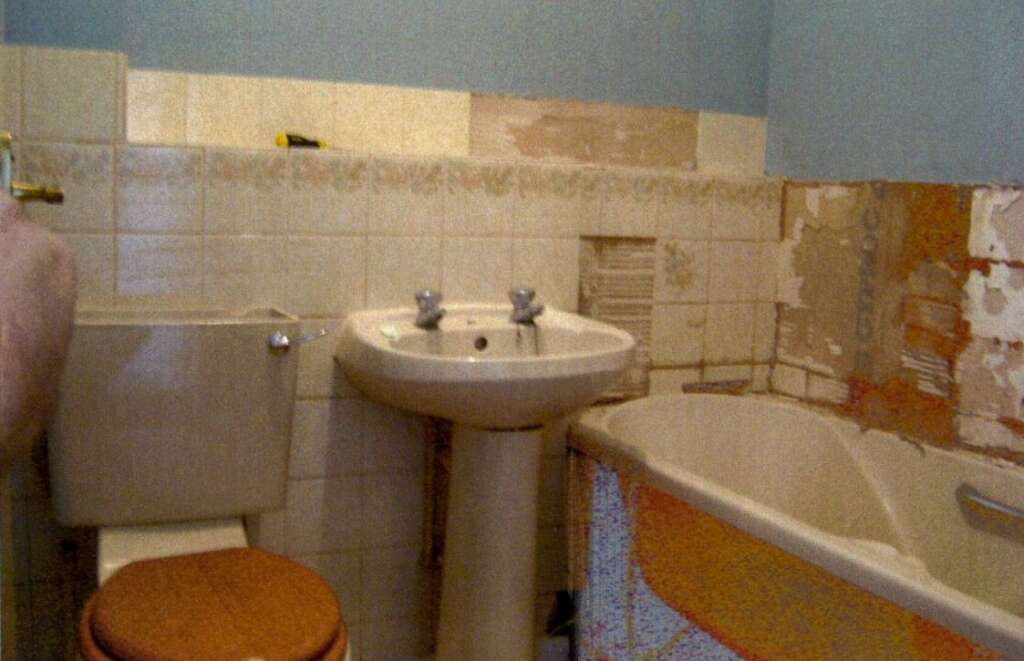
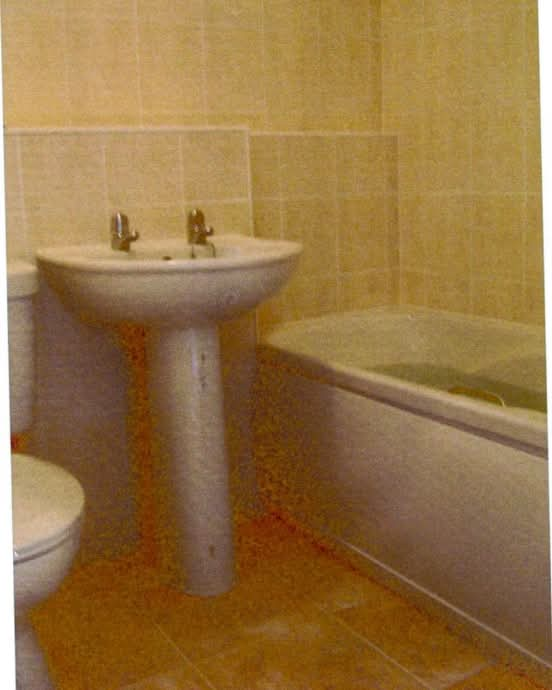
The Bath Suite: Comfort Is Engineered, Not Assumed
A “bath suite” sounds straightforward—bath, basin, toilet, taps. But the difference between a bathroom that feels solid and one that feels flimsy is usually hidden beneath and behind.
Thought-provoking insight: A bath is only as good as what supports it, seals it, and drains it.
Practical advice when fitting a bath suite on a £4,000 budget:
- Choose reliability over novelty. Well-known, serviceable components reduce call-backs and future replacement headaches.
- Plan for access. Baths often need a practical access panel for future maintenance—because “sealed forever” is rarely a gift.
- Don’t ignore water pressure and pipe sizing. A beautiful bath filler is meaningless if the flow rate disappoints.
- Prioritise straight, stable installation. A bath that’s even slightly out of level can cause drainage issues and sealant failure.
A good team doesn’t just install what you bought—they make sure it works together as a system.
In bathroom renovations, money doesn’t disappear because things are expensive—it disappears because the plan is indecisive.
Floor-to-Wall Tiling: The Room’s Visual Language (And Its Waterproof Armour)
Floor-to-wall tiling can transform a basic room into something sharp, crisp, and modern—especially when the lines are planned and the substrate is prepared correctly. Tiles aren’t forgiving; they’re honest. They will reveal uneven walls, rushed prep, and sloppy alignment.
Thought-provoking insight: Tiling is less about “sticking tiles to walls” and more about creating a grid that the eye believes.
Practical advice for better tiling outcomes:
- Start with surfaces, not tiles. If the wall isn’t flat and stable, no tile in the world will look premium.
- Think in sightlines. What do you see from the doorway? Where do grout lines fall around the bath, basin, and window?
- Use tile size strategically. In some bathrooms, large-format tiles reduce grout lines and feel calmer; in others, smaller tiles handle awkward walls better.
- Pick grout with intent. Contrast grout highlights precision; colour-matched grout smooths everything into a quieter luxury.
In a £4,000 renovation, tiling is often the biggest visual multiplier—if the preparation and layout discipline are there.
Ventilation: The “Unsexy Upgrade” That Protects Everything Else
Bathrooms don’t just get wet—they stay damp if moisture isn’t removed. Poor ventilation is one of the most common reasons new bathrooms age badly: mould, peeling finishes, swollen trims, degraded sealant, musty smells that creep into towels and ceilings.
Thought-provoking insight: Ventilation is the only bathroom feature you don’t see—but it decides how everything you do see will survive.
Practical advice for effective ventilation:
- Choose an extractor fan suited to the room size and usage, not just “any fan.”
- Ensure correct routing and venting (where applicable). A fan that dumps moisture into a loft space is not solving the problem—it’s relocating it.
- Pair ventilation with smart habits: running the fan during and after bathing, keeping airflow pathways clear.
If you’re spending money on floor-to-wall tiles and a new bath suite, ventilation is what helps those finishes stay clean, dry, and intact.
5) The Finishing Orchestra: Handyman + Electrician = The Difference Between “Installed” and “Completed”
A bathroom isn’t finished when the plumbing works. It’s finished when the whole room behaves: lights are placed correctly, mirrors are secure, accessories are aligned, edges are crisp, and nothing feels improvised.
This is where coordination matters—especially on a tighter budget.
The Electrician’s Role
- Safe and compliant wiring for lighting, fan, and any shaver points
- Correct placement for usability (no awkward shadows, no underpowered fan supply)
- Clean finishing: neat faceplates, sensible switch positions
The Handyman’s Role
- Mirror fitting, shelving, hooks, towel rails
- Touch-ups, sealant finishing (where appropriate), small carpentry adjustments
- Making the room feel “settled” rather than “just assembled”
Thought-provoking insight: Bathrooms often fail at the edges—literally. Corners, trims, seals, fixtures alignment. The finishing is where confidence is either built or lost.
Practical advice:
- Choose fewer accessories, but place them perfectly.
- Plan mirror size and height early—mirror placement can make a small bathroom feel twice as large or strangely cramped.
- Keep finishes consistent (chrome with chrome, black with black) to avoid visual noise.
Matthew Pooley & team’s strength here is coordination: a renovation isn’t a list of tasks—it’s a sequence, and sequencing is what protects both time and budget.
Conclusion: A £4,000 Renovation Can Be Calm, Clean, and Long-Lasting—If the Priorities Are Correct
A bathroom renovation by Matthew Pooley & team—from the earlier MP Plumbing & Heating Services era leading into what became Plumb Suite Ltd—shows what’s possible when you respect the fundamentals. With £4,000, you can achieve a strong, satisfying transformation: a well-installed bath suite, properly executed floor-to-wall tiling, ventilation that quietly defends the room every day, and the kind of finishing support from a handyman and electrician that turns a renovation into a complete space.
The takeaway is simple, but powerful: the best bathrooms don’t just look new. They stay good—because they were built on correct decisions, not lucky ones.
