

Better Plumbing Better Living
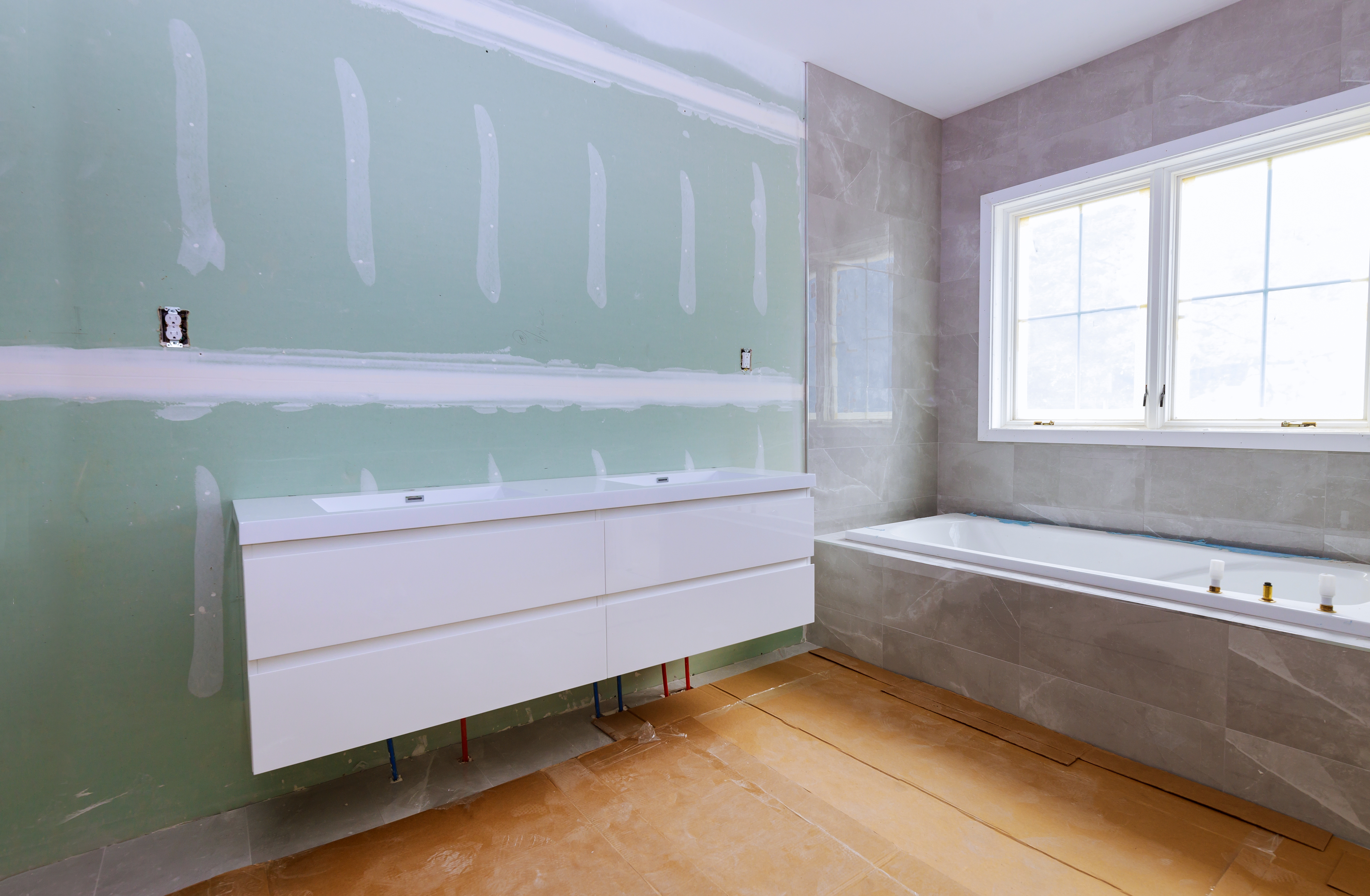
A complete bathroom renovation typically takes two to four weeks once work begins. However, larger or more complicated projects can take four to six weeks or longer, especially if the bathroom layout is being changed, structural repairs are required or bespoke products have long delivery times.
Every bathroom is different. Replacing a suite without moving the plumbing may be completed relatively quickly, while transforming an outdated room into a completely new bathroom can involve demolition, plumbing, electrical work, plastering, tiling, flooring, decorating and several inspections.
At Plumb Suite Ltd, we help homeowners plan complete bathroom renovations with realistic schedules and carefully coordinated workmanship. This guide explains the main stages of a renovation, what can affect the timescale and how you can help keep your project running smoothly.
Quick Answer: Typical Bathroom Renovation Timescales
The following estimates provide a useful starting point:
These times generally refer to the construction and installation period. The full process—from the initial consultation to the finished bathroom—can take longer because time must also be allowed for design decisions, quotations, product ordering and delivery.
A complete bathroom renovation normally involves removing most or all of the existing bathroom and installing a new room from the ground up. Depending on the project, the work may include:
Because several trades and stages are involved, the order of work is important. Certain tasks cannot begin until the previous stage has been completed and allowed to dry or cure properly.

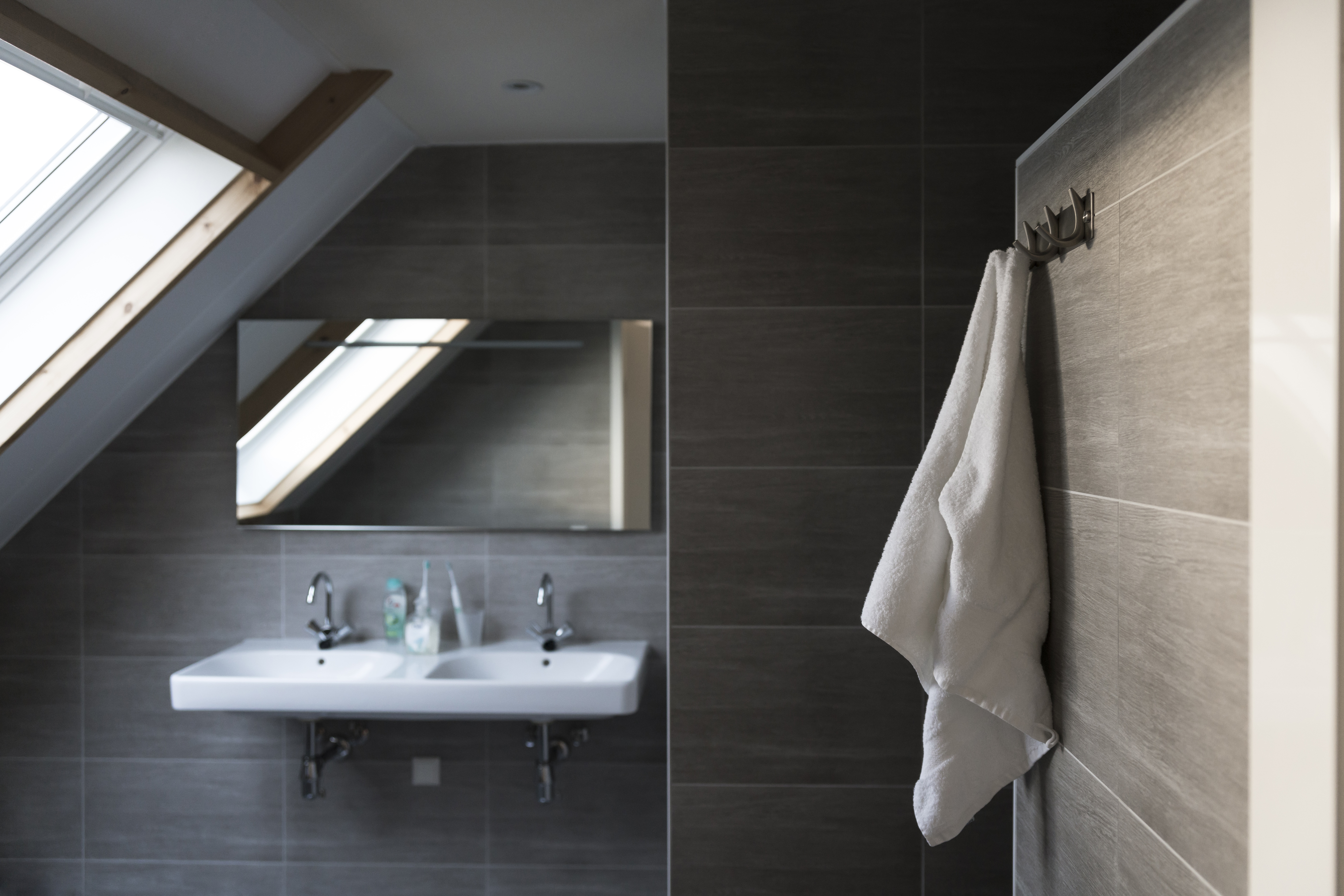
Here is a typical step-by-step timeline for a full bathroom renovation.
Estimated time: One to three weeks
Before physical work begins, the existing bathroom should be surveyed and the new layout planned. This is when you decide what you want to keep, remove or reposition.
The planning stage may include:
A straightforward replacement may not require a long planning period. A bespoke bathroom with fitted furniture, specialist lighting or a walk-in shower will usually need more preparation.
Taking time at this stage can prevent delays later. It is much easier to resolve layout or product issues before the old bathroom has been removed.
Estimated time: One to eight weeks
Standard bathroom products may be available within a few days, but specialist items can take several weeks to arrive.
Possible long-lead products include:
Ideally, the main products should be delivered and checked before the installation begins. Starting work without essential items can leave the bathroom unusable while the team waits for a missing toilet, shower tray, tap or fitting.
Every delivered product should be checked for damage, missing components and manufacturing defects. Discovering that a bath is cracked or a shower screen is the wrong size on installation day can disrupt the entire schedule.
Estimated time: One to three days
The first construction stage is usually the removal of the old bathroom. The water supply may need to be isolated while the bath, shower, toilet, basin, furniture, tiles and flooring are removed.
A simple bathroom can sometimes be stripped out in one day. The process may take longer if:
Careful removal is important because hidden plumbing, cables or structural elements may be behind the walls and floor.
Estimated time: One to five days
Once the old bathroom has been removed, the installer can assess areas that were previously hidden. This is where unexpected problems are most likely to be discovered.
Common issues include:
Minor repairs may only add a day to the project. Significant water or structural damage can extend the schedule considerably.
Although unexpected work can be frustrating, damaged areas should be repaired correctly before the new bathroom is installed. Covering over moisture, rot or unstable surfaces may cause much more expensive problems in the future.
Estimated time: Two to five days
First-fix work involves installing or altering the services that will be hidden behind walls, floors and bathroom furniture.
The plumbing work can include:
Electrical work may include new lighting, extractor fans, illuminated mirrors, shaver sockets or electric underfloor heating. Bathroom electrical work must be completed safely and comply with the relevant UK requirements.
Keeping the existing bathroom layout will usually reduce the time and cost involved. Moving a toilet, for example, may be more complicated than moving a basin because the larger soil pipe needs the correct route and fall.
Estimated time: Two to five days
Bathroom walls and floors must provide a stable, level and suitable surface for the chosen finish. Preparation may involve replacing damaged plasterboard, installing tile-backer boards, levelling the floor or plastering certain areas.
Wet zones—particularly showers—may need a waterproof tanking system before tiling begins. Tanking helps protect the building from water escaping through grout lines, corners or joints.
Preparation is one of the most important stages of the renovation. Even the most expensive tiles will not look right if they are installed over uneven or unstable surfaces.
Drying time must also be considered. Fresh plaster, screed, levelling compound, adhesive and waterproofing products all need sufficient time before the next stage can begin.
Estimated time: Three to seven days
Tiling is often one of the longest parts of a bathroom renovation. The timescale depends on:
Large-format tiles can create a modern appearance, but they require accurate preparation and careful cutting. Smaller mosaics can also take time because more individual pieces and grout lines are involved.
Complex patterns such as herringbone, diagonal layouts or decorative borders generally take longer than a standard horizontal layout.
After tiles are fitted, the adhesive must cure before grouting. The grout and sealant also need time to set. Rushing these stages could affect the finish and long-term durability of the installation.
Estimated time: Two to four days
Once the surfaces are ready, the main bathroom products can be installed. These may include:
Each item must be positioned, levelled, connected and tested. Built-in furniture and wall-hung sanitaryware can require more time than standard floor-standing products.
Bespoke shower screens may need to be measured after the tiles have been installed. If so, the bathroom may remain incomplete while the screen is manufactured and delivered.
Estimated time: One to three days
During the finishing stage, visible electrical fittings and bathroom accessories are installed. The work may include:
Small finishing details can have a significant impact on the room’s appearance. It is worth allowing enough time to complete them accurately.
Estimated time: One day
The renovated bathroom should be inspected and tested before handover. The installer may check:
The bathroom can then be cleaned and prepared for use. Some sealants may need additional curing time, so you should follow the installer’s instructions before using the bath or shower.
Several factors can extend the renovation schedule.
Relocating the bath, shower, basin or toilet adds plumbing work. Moving the toilet may be particularly challenging if the soil pipe cannot easily be repositioned.
Leaks beneath baths, showers or floors can remain hidden for years. Rotten boards or timbers must be replaced before installation continues.
A missing shower tray, damaged basin or delayed tile order can prevent other work from progressing. Ordering early reduces this risk.
Custom furniture, glass screens, recessed shelving, stone worktops and made-to-measure surfaces require additional design and manufacturing time.
Detailed patterns, mosaics and natural stone usually require more preparation, cutting and finishing.
Removing walls, changing doorways or strengthening floors can add days or weeks to the project. Some alterations may also require professional design advice or building control involvement.
Plaster, screed, waterproofing, adhesives, grout, paint and sealants must be allowed to dry. The room’s temperature and ventilation can affect this process.
Changing the design after work has started can cause delays, particularly if new products need to be ordered or completed work must be altered.
A bathroom can sometimes be renovated in one week if the project is relatively simple. This may be possible when:
However, a complete renovation should not be rushed simply to meet a short deadline. Proper preparation, waterproofing and curing time are essential for a durable result.
For most full renovations, two to four weeks is a more realistic expectation.
In most cases, the bathroom cannot be used normally during a complete renovation. Water may be temporarily restored at certain stages, but the bath or shower will usually remain unavailable until the installation and sealing are complete.
If the property has only one toilet, speak to the installer before work begins. It may be possible to reconnect the toilet temporarily at the end of each working day, depending on the scope and condition of the pipework.
Households with only one bathroom should plan carefully. Possible arrangements include using another nearby facility, staying with family or scheduling the work during a convenient period.
Good preparation can reduce the likelihood of avoidable delays.
Choose the layout, colours, fixtures and finishes early. Late decisions can interrupt the workflow.
Make sure all essential products have arrived and been checked before the old bathroom is removed.
Confirm all measurements, including door openings and access routes. A bath that fits the room on paper must also be able to pass through the property.
Set aside a contingency budget and some additional time, particularly when renovating an older bathroom.
Agree how progress updates, decisions and variations will be handled. Quick answers can prevent the project from stalling.
Once work is underway, changing tiles, fittings or the room layout can affect both the price and completion date.
Most bathrooms can be stripped out in one to three days. It may take longer if the room contains extensive tiling, difficult-to-remove flooring or hidden damage.
This depends on the products used. Silicone sealants, adhesives and grout may require 24 hours or longer before exposure to water. Always follow the installer’s advice.
Usually, yes. Moving a toilet involves altering the soil pipe, which can be more complicated than repositioning smaller water and waste connections.
Tiling commonly takes three to seven days, including preparation, fitting, curing and grouting. Large bathrooms or complicated patterns can take longer.
It is sensible to confirm availability and arrange delivery before installation begins. Starting without essential products can create significant delays.
Usually not, especially if the property has a second bathroom. However, dust, noise and the temporary loss of washing facilities should be considered.
The installer should explain the problem, the recommended repair, the likely additional cost and any effect on the completion date before proceeding with extra work.
A complete bathroom renovation usually takes two to four weeks, but the right timeframe depends on the design, condition of the existing room and complexity of the installation. Careful planning, early product ordering and professional coordination can help the project progress efficiently while protecting the quality of the finished bathroom.
Plumb Suite Ltd provides professional bathroom renovation and plumbing services, helping customers transform outdated or impractical bathrooms into attractive, comfortable and functional spaces.
Whether you are considering a straightforward suite replacement, a modern walk-in shower or a complete bespoke bathroom transformation, our team can discuss your requirements and provide a realistic schedule for the work.
Start planning your new bathroom today.
Visit www.plumbsuite.co.uk, email info@plumbsuite.co.uk or call 0330 043 9280 to request a consultation or quotation.

I recently went through a complete bathroom renovation, and I found that it took about six to eight weeks from start to finish. There were a few delays due to product shipping, but overall, the timeline was fairly accurate. My contractor kept me updated every step of the way, which made the process feel smoother. Once the work began, the demo phase was quick, but then we waited a bit for tile and fixtures to arrive. I learned that planning ahead really pays off, as choosing materials in advance helped keep things moving. I’m really happy with the results, but I would recommend being patient and flexible just in case things don’t go exactly as planned.

Home & Plumbing Blogger
Sophie Carter is a home improvement writer for Plumb Suite Ltd, sharing practical advice on plumbing, bathroom renovations, maintenance and water efficiency. She turns technical topics into clear, helpful guidance, helping homeowners make confident decisions, prevent common problems and create bathrooms that are both stylish and functional.

