

10 Common Plumbing Mistakes DIYers Always Make (And How to Avoid Them)
There is a particular kind of confidence that arrives five minutes into a DIY plumbing job.
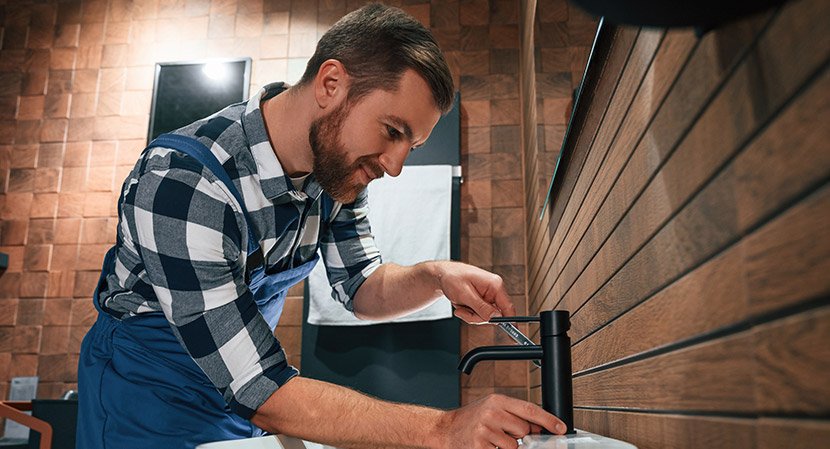
You have watched three tutorials. You have a wrench in one hand, a bucket in the other, and a dangerous thought in your head: How hard can this be? It is only a Tap. A drain. A toilet. A shutoff valve. A simple swap, a quick fix, a Saturday project. Until the fitting cracks. The leak starts. The water does not stop. And suddenly your innocent home improvement experiment turns into a wet, expensive lesson in humility.
Plumbing has a way of punishing overconfidence with ruthless efficiency.
That is not to say homeowners should never tackle plumbing projects. Plenty of basic repairs and fixture replacements are perfectly manageable with the right preparation. But plumbing is one of those trades where small mistakes rarely stay small. A slightly overtightened connection can fracture a fitting. A poorly sealed drain can create hidden water damage for months. A rushed installation can lead to mold, rot, high water bills, ruined cabinetry, and repairs that cost far more than hiring a professional in the first place.
The real problem is not enthusiasm. It is assumption. Too many DIYers treat plumbing like assembly, when in reality it is a system—pressurized, interconnected, code-sensitive, and deeply unforgiving of guesswork.
If you want pro-level results without inviting catastrophe into your walls, you need to know where things usually go wrong. Below are ten of the most common plumbing mistakes DIYers make, why they matter more than people realize, and how to avoid them before a “small fix” becomes a household disaster.
Forgetting to Shut Off the Water Properly
It sounds obvious. It should be obvious. And yet this is still one of the most common mistakes DIYers make.
Many people either forget to shut off the water entirely, turn off the wrong valve, or assume a fixture-specific shutoff is working when it is not. Then they loosen a supply line or remove a valve and discover, too late, that pressurized water is still very much part of the conversation.
Even when the correct shutoff valve is closed, there may still be water trapped in the lines. That leftover pressure can create a messy surprise if you do not drain the system first.
How to avoid it:
- Shut off the nearest fixture valve first, but test it before starting.
- If the local shutoff fails or is unreliable, turn off the home’s main water supply.
- Open the Tap after shutting off the water to drain residual pressure.
- Keep a bucket, towels, and a wet/dry vacuum nearby just in case.
Pro insight: Never trust an old shutoff valve blindly. Test it before disassembly. A valve that has not been touched in years may not fully close.
DIYers often believe tighter means safer. In plumbing, tighter often means broken.
Overtightening Fittings and Connections
DIYers often believe tighter means safer. In plumbing, tighter often means broken.
Overtightening is one of the fastest ways to crack plastic fittings, deform rubber washers, strip threads, damage compression rings, or stress metal connections until they fail prematurely. The temptation is understandable—nobody wants leaks—but brute force is not a sealing strategy.
Most plumbing connections are designed to seal through proper alignment, washers, thread sealant, or compression, not maximum muscle.
How to avoid it:
- Hand-tighten first, then use a wrench for a modest additional turn.
- Follow manufacturer guidelines whenever possible.
- Be especially careful with plastic threads and supply lines.
- If a connection leaks, do not automatically crank harder—disassemble and inspect it.
Pro insight: If you are “really leaning into it,” you have probably already gone too far.
Using the Wrong Sealant or Using It Incorrectly
Not every plumbing connection needs plumber’s tape. Not every threaded joint needs pipe dope. Not every leak is solved by slathering sealant onto whatever looks suspicious. One of the classic DIY errors is using the wrong sealing method for the wrong type of connection.
For example, compression fittings do not usually require thread tape on the threads. Flare fittings seal at the flare, not at the threads. Some threaded plastic connections can split if wrapped too aggressively. And if thread tape is applied backwards, it can unravel during tightening and compromise the seal.
How to avoid it:
- Learn which type of fitting you are dealing with before applying anything.
- Wrap Teflon tape in the direction of the threads, usually clockwise.
- Use only the amount recommended—more is not better.
- Follow product-specific instructions for thread sealants and gaskets.
Pro insight: The fitting type determines the sealing method. Guessing here causes more leaks than it prevents.
Mixing Incompatible Materials
Plumbing systems are not a random collection of parts you can force into cooperation. Different metals and materials react differently over time, especially in the presence of moisture. DIYers often mix components without understanding compatibility, which can lead to corrosion, weakened joints, and shortened system life.
A common issue is joining galvanized steel to copper without a proper dielectric fitting. This can trigger galvanic corrosion, slowly degrading the connection. Similar trouble can arise when using the wrong transition fittings between PEX, CPVC, copper, and other piping materials.
How to avoid it:
- Identify all existing pipe materials before buying parts.
- Use approved transition fittings designed for those exact materials.
- Avoid direct connections between incompatible metals unless code-approved connectors are used.
- When in doubt, ask a plumbing supply house—not just a big-box store aisle.
Pro insight: A connection that looks fine today may quietly fail over time if the materials are mismatched.
Ignoring Slope, Venting, and Drainage Basics
Supply lines get most of the attention because they leak dramatically. But drain problems are often more insidious. DIYers replacing sinks, moving fixtures, or adjusting waste lines frequently ignore the invisible rules that make drains actually work: proper slope, adequate venting, and correct trap configuration.
A drain that is too flat may clog constantly. A drain that is too steep can leave solids behind. A bad venting setup can cause gurgling, slow drainage, or sewer gas odors. And an improperly installed trap can create both performance and code issues.
How to avoid it:
- Maintain proper drain slope, typically about 1/4 inch per foot for many residential drains.
- Never remove or bypass venting requirements just to make a layout easier.
- Use the correct trap type and placement for the fixture.
- Check local plumbing code before relocating or reconfiguring drain lines.
Pro insight: Drains are governed by physics, not hope. If the geometry is wrong, the system will tell you.
Skipping the Leak Test
One of the most costly DIY habits is assuming a repair is successful because it looks dry for thirty seconds.
Many leaks are slow, intermittent, or pressure-dependent. A supply connection may weep only when the Tap is running. A drain fitting may leak only when the basin empties quickly. A toilet seal may fail only after repeated flushes. If you clean up and walk away too soon, the damage may begin quietly and continue for days or weeks.
How to avoid it:
- Test every connection thoroughly before closing walls or cabinets.
- Run water for several minutes, then inspect all joints with a flashlight.
- Wipe connections with a dry paper towel to detect subtle moisture.
- Recheck after an hour and again later in the day.
Pro insight: The real leak test begins after you think you are done.
Reusing Old Parts That Should Be Replaced
DIYers trying to save time or money often reuse washers, supply lines, seals, mounting hardware, or old shutoff valves. It feels efficient. Sometimes it even works—briefly. But worn-out plumbing components are rarely worth the risk.
Rubber degrades. Braided supply lines age. Compression ferrules deform. Wax rings lose reliability once disturbed. Reusing these parts can undermine an otherwise solid repair.
How to avoid it:
- Replace supply lines when installing a new Tap or toilet.
- Use new gaskets, washers, and seals whenever a fixture is removed.
- Install a new wax ring every time a toilet is lifted.
- If a shutoff valve is old or unreliable, replace it while access is easy.
Pro insight: The cheapest part in the job is often the most expensive one to reuse.
Failing to Support Pipes Properly
Pipes need support. Not occasional support. Proper support.
Whether working with drain lines, supply lines, or exposed basement plumbing, DIYers often leave pipes under-supported, poorly secured, or stressed at awkward angles. That may not seem urgent at first, but movement, vibration, and expansion can gradually loosen connections, create noise, and increase the chance of leaks.
Unsupported pipes are especially problematic when fixtures are turned on and off repeatedly or when water hammer is present.
How to avoid it:
- Use appropriate clamps, straps, and brackets for the pipe material.
- Support horizontal runs at recommended intervals.
- Avoid forcing pipes into alignment; adjust the run instead.
- Add protection where pipes pass through framing to prevent abrasion.
Pro insight: A plumbing system that moves too much will eventually fail where it is weakest.
Ignoring Local Plumbing Code
Plumbing code is not bureaucratic decoration. It exists because certain installations are dangerous, unsanitary, or unreliable. Yet many DIYers skip code research entirely, especially on projects that seem minor. This is where illegal venting, improper trap setups, missing shutoffs, wrong pipe sizing, and unsafe water heater or drain modifications begin.
Even if the system appears to function, a code violation can create future inspection issues, insurance complications, and serious hidden risks.
How to avoid it:
- Check local code requirements before starting any significant plumbing work.
- Pull permits when required.
- Do not rely solely on generic online tutorials, since codes vary by region.
- If your project involves relocation, rough-in work, or drainage changes, consider professional review.
Pro insight: A repair that “works” is not necessarily a repair that is safe, legal, or durable.
Taking On a Job That Is Beyond DIY Level
This may be the most important mistake of all: not knowing when to stop.
There is no shame in DIY. There is only danger in overreaching. Replacing a showerhead is one thing. Reconfiguring drain stacks, installing a shower valve inside a wall, moving plumbing lines, or diagnosing recurring pressure problems is something else entirely. The confidence to start a project must be matched by the judgment to recognize its limits.
When DIYers push beyond their skill level, they often create hidden problems that do not surface until the walls are closed, the floor is damaged, or the insurance claim is denied.
How to avoid it:
- Be honest about your skill level and tool access.
- Call a plumber for work involving hidden pipes, gas lines, main drains, or code-heavy modifications.
- If unsure, pay for a consultation before starting.
- Use DIY for maintenance and simple fixture swaps, not high-risk system changes.
Pro insight: Knowing when to hire a professional is not failure. It is advanced damage prevention.
Final Thoughts: Good DIY Plumbing Is Less About Courage and More About Caution
The difference between a smart DIY plumbing repair and an expensive mistake rarely comes down to effort. It comes down to patience, planning, and respect for the system. Plumbing punishes shortcuts because water is relentless. It finds the weak point. It tests every rushed decision. And when something is done poorly, it often waits until the worst possible moment to prove it.
The good news is that most plumbing disasters are preventable. Shut the water off properly. Use the right materials. Understand the fitting you are working with. Replace old parts. Test thoroughly. Respect drain geometry. Follow code. And above all, know the edge of your expertise before you step over it.
If you approach plumbing with humility instead of haste, you can absolutely handle many common home repairs with confidence. But pro-level results come from discipline, not bravado. The goal is not just to make the leak stop today. The goal is to make sure nothing fails tomorrow.

Body Cross Bag Natural Cotton - Grey & White
Thanks for sharing. I read many of your blog posts, cool, your blog is very good.