
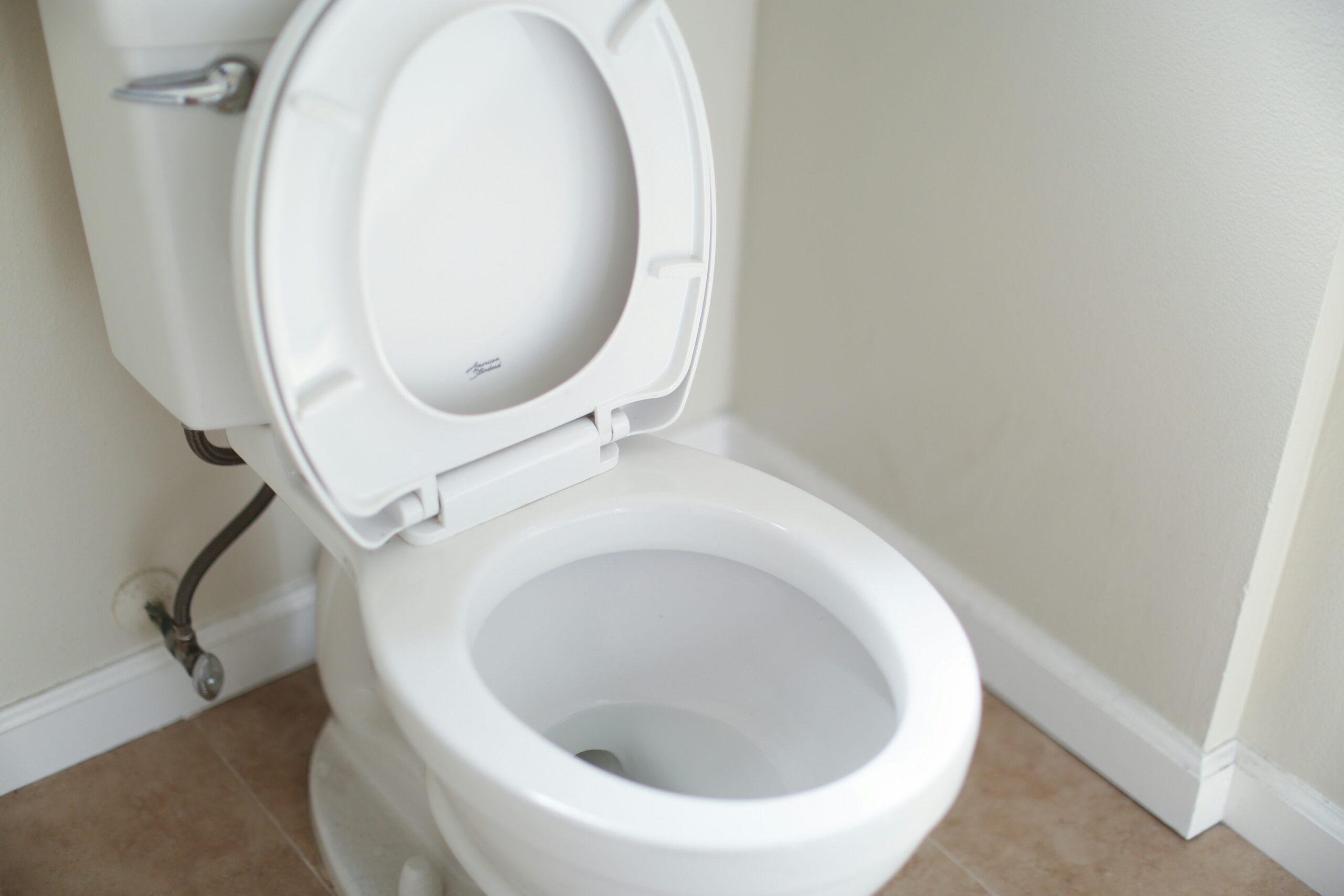
Why Is My Toilet Running? Understanding and Fixing a Leaky Cistern Before It Wastes a Small Fortune
There are few household sounds more deceptively harmless than a toilet that won’t stop running.
At first, it barely registers—a faint hiss behind the bathroom door, a trickle that seems almost polite, a subtle refill sound you assume will stop any second now. But it doesn’t. Minutes pass. Then hours. Then perhaps days. And all the while, water is slipping quietly from your cistern into the bowl, nudging your utility bill upward and your patience downward.
A running toilet is one of the most common plumbing issues homeowners face, and strangely, also one of the most misunderstood. Many people ignore it because the toilet still “works.” It flushes. It refills. It appears functional. Yet behind that ordinary performance is a miniature mechanical failure, one that can waste hundreds of gallons of water and signal wear in parts that are surprisingly simple to diagnose and replace.
The good news? In many cases, fixing a leaky cistern is not a mysterious plumbing puzzle reserved for professionals. It is a practical, high-value home repair that begins with understanding how the toilet actually works. Once you know what is happening inside the tank, the problem becomes less annoying and more solvable.
In this guide, we will unpack why toilets keep running, what causes a cistern to leak, how to identify the exact culprit, and what steps homeowners can take to fix the issue safely and effectively. Whether your toilet runs constantly, refills intermittently, or whispers in the night like an unfinished sentence, this article will help you make sense of it—and stop the waste.
How a Toilet Cistern Works: The Simple Mechanics Behind the Problem
To fix a running toilet, you first need to understand the few parts inside the cistern that make flushing possible. Fortunately, a toilet tank is not a complicated machine. It is a carefully timed system of water levels, seals, and valves.
When you flush, a component—usually a flapper or flush valve seal—lifts to let water rush from the cistern into the bowl. As the tank empties, the fill valve opens and allows fresh water to enter. A float rises with the water level and tells the fill valve when to stop. Once the correct level is reached, the system shuts off and waits for the next flush.
When a toilet keeps running, one of two things is usually happening:
- Water is leaking out of the tank into the bowl, forcing the cistern to refill continuously.
- Water is overfilling or failing to shut off properly, causing excess water to escape into the overflow tube.
That is the essential logic of the problem. Either the toilet cannot hold water, or it cannot stop taking in more.
Practical takeaway:
Before replacing anything, remove the cistern lid and simply observe. Flush the toilet. Watch what moves. See whether water continues to trickle into the bowl or rises too high inside the tank. A minute of observation can save you from buying the wrong part.
A running toilet may not feel like a home emergency, but it is one of those sneaky household issues that quietly drains money, wastes water, and chips away at efficiency one refill cycle at a time.
The Most Common Causes of a Running Toilet
The phrase “running toilet” sounds singular, but the causes are wonderfully varied in their own irritating little ways. The good news is that most of them fall into a short list of common failures.
Worn flapper or flush seal
This is the classic culprit. Over time, rubber flappers and seals warp, harden, crack, or become coated with mineral buildup. Once they no longer form a watertight seal, water slowly leaks from the cistern into the bowl.
Faulty fill valve
If the fill valve does not shut off properly, water continues entering the tank. When the water level rises too high, it spills into the overflow tube, creating the sound of a toilet that never quite finishes refilling.
Misadjusted float
Sometimes nothing is broken; it is simply out of adjustment. If the float is set too high, the water level will rise above the proper point and feed the overflow tube.
Overflow tube issues
A cracked, improperly positioned, or incorrectly matched overflow tube can contribute to persistent water loss or faulty shutoff behavior.
Chain problems
A chain that is too tight can prevent the flapper from seating fully. A chain that is tangled or poorly positioned can create the same issue, though in a more erratic way.
Mineral buildup and debris
Sediment from hard water can interfere with seals and valves, especially in older toilets. The result is a slow breakdown in performance that looks mechanical but is often partly environmental.
Practical takeaway:
Do not assume the problem is dramatic. Often the issue is a $10 to $20 part that has simply aged out of usefulness.
How to Diagnose the Exact Problem Without Guesswork
Homeowners often leap straight into replacing parts, which is understandable—but not always efficient. A better approach is to diagnose first. A running toilet usually leaves clues.
Check for water movement in the bowl
If the toilet is not flushing but you notice rippling or movement in the bowl water, that often means water is leaking past the flapper or flush valve seal.
Listen for refill cycles
If the toilet runs briefly every so often, even when nobody has used it, that usually indicates a slow tank-to-bowl leak. The cistern loses water gradually, then refills itself.
Inspect the water level in the tank
Open the cistern and check where the water line sits. If it is at or above the top of the overflow tube, the fill valve or float adjustment is likely the issue.
Try the food coloring test
This is one of the simplest diagnostic tools available. Add a few drops of food coloring into the tank, wait 15 to 20 minutes without flushing, and then check the bowl. If color appears in the bowl, water is leaking from the cistern into it.
Examine the flapper and chain
Touch the flapper gently. Does it feel brittle, slimy, warped, or uneven? Is the chain too short, preventing full closure? These small physical clues often reveal the source.
Practical takeaway:
Diagnosis is about pattern recognition. Is the toilet losing water? Overfilling? Refilling intermittently? Once you know which behavior you are seeing, the repair path becomes much clearer.
How to Fix a Leaky Cistern Step by Step
Once you have identified the problem, the repair is often surprisingly manageable. Most toilet cistern components are designed to be replaceable without specialized plumbing tools.
Step 1: Turn off the water supply
Look for the shutoff valve near the base of the toilet, usually on the wall or floor. Turn it clockwise to stop the water supply.
Step 2: Drain the tank
Flush the toilet and hold the handle down if needed to empty as much water from the cistern as possible. Use a sponge or towel to soak up the remaining water if necessary.
Step 3: Replace the flapper or seal
If the flapper is worn, disconnect the chain, remove the old flapper, and install a matching replacement. Be sure it sits evenly and that the chain has slight slack—not too tight, not too loose.
If your toilet uses a canister-style seal instead of a traditional flapper, replace the rubber seal according to the manufacturer’s instructions.
Step 4: Adjust or replace the fill valve
If the water level is too high, adjust the float so the valve shuts off sooner. Many modern fill valves have a screw or clip for easy adjustment.
If adjustment does not solve the issue, replace the fill valve. Universal replacement kits are widely available and usually include instructions.
Step 5: Test the overflow level
After turning the water back on, allow the tank to refill and confirm that the water stops below the top of the overflow tube.
Step 6: Flush and observe
Flush several times. Listen. Watch. Make sure the refill stops completely and no water continues trickling into the bowl.
Practical takeaway:
Bring the old part to the hardware store if possible. Toilet components vary, and visual matching can help avoid multiple trips and unnecessary frustration.
When to DIY, When to Call a Plumber, and How to Prevent It from Happening Again
A running toilet is often a very reasonable DIY repair. But not every problem should become a solo mission, especially if the toilet is old, corroded, or part of a larger plumbing issue.
DIY is usually appropriate when:
- The issue is clearly a flapper, seal, chain, or fill valve problem
- The shutoff valve works properly
- The tank hardware is accessible and not badly corroded
- You feel comfortable following step-by-step instructions
Call a plumber when:
- The toilet still runs after replacing common internal parts
- The shutoff valve is stuck or leaking
- The tank bolts, supply line, or base show signs of leaking
- Cracks appear in the cistern or bowl
- You suspect high water pressure or a broader plumbing system problem
Just as important as fixing the immediate issue is preventing the next one.
Prevention tips:
- Inspect inside the cistern once or twice a year
- Replace rubber seals and flappers at the first sign of wear
- Clean mineral buildup from components if you have hard water
- Avoid harsh in-tank cleaning tablets that can degrade rubber parts
- Pay attention to subtle refill sounds before they become constant noise
Practical takeaway:
The most expensive toilet leak is the one you postpone. Small repairs done early are almost always easier, cheaper, and far less wasteful.
Final Thoughts: A Running Toilet Is Small in Sound, Big in Cost
A running toilet may not feel like a home emergency, but it is one of those sneaky household issues that quietly drains money, wastes water, and chips away at efficiency one refill cycle at a time. The good news is that the problem is usually not catastrophic. In fact, it is often rooted in a few simple cistern components doing an imperfect job after years of use.
Once you understand how the fill valve, float, flapper, and overflow tube work together, the mystery starts to disappear. What sounded like an endless annoyance becomes a solvable mechanical problem. And for homeowners, that is empowering.
The smartest approach is simple: observe carefully, diagnose before replacing parts, fix the most likely culprit, and test thoroughly. In many cases, a modest repair can restore quiet, cut water waste, and save money almost immediately.
So if your toilet has been whispering, hissing, or endlessly refilling in the background, do not ignore it. Open the cistern. Take a look. A better-functioning bathroom—and a lower water bill—may be just one small repair away.
 Body Cross Bag Natural Cotton - Grey & White
Been hanging out on yylive recently. It seems like a cool site. Check out yylive and see what you think!