

Better Plumbing Better Living
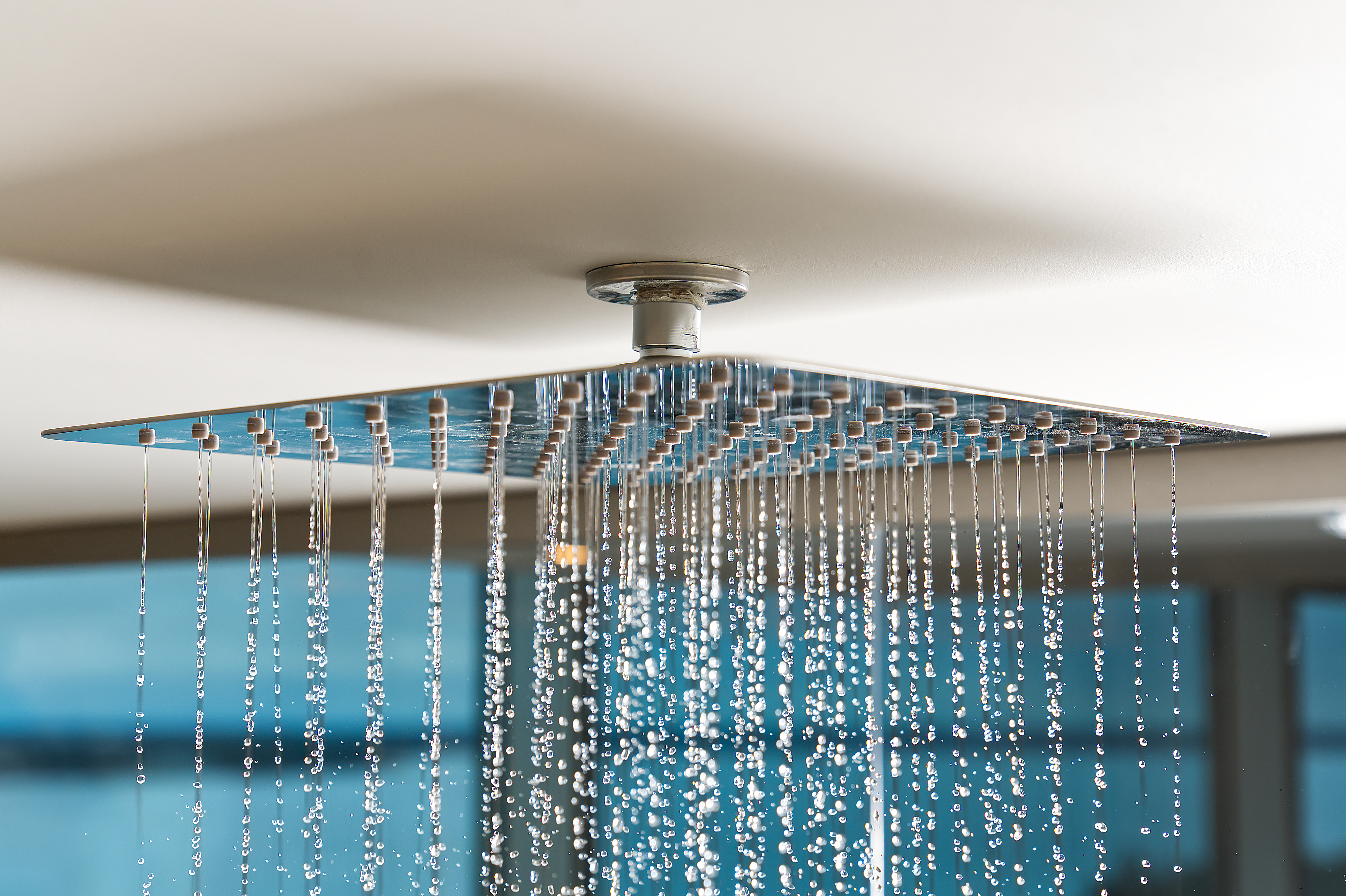
Choosing a new shower involves more than selecting an attractive handset, enclosure or control. The shower must also be compatible with the way your home stores, heats and delivers water. A model that performs brilliantly in one property may provide disappointing pressure, unstable temperatures or an inadequate flow rate in another.
Before buying a shower, you need to understand which water system your home has, how much pressure and flow it can provide and whether hot water is stored or heated on demand. You should also consider how many people live in the property, whether other taps are regularly used at the same time and whether you want the shower to continue working if the boiler stops producing hot water.
This guide explains the main UK water systems, the different types of shower available and the factors you should consider before arranging an installation.
Every shower needs an adequate supply of water at a suitable pressure and temperature. Some showers take hot water directly from a boiler or cylinder and mix it with cold water. Others take only cold water from the mains and heat it using an internal electrical element.
The performance of the shower therefore depends on more than the product’s appearance or advertised features. It is affected by the water system, incoming mains flow, pipe sizes, boiler output, cylinder capacity and height of any cold-water storage tank.
Installing an unsuitable shower can result in weak flow, sudden temperature changes, excessive noise or poor performance when another tap is opened. In some cases, a shower pump or specialist valve may be needed. In others, fitting a pump would be inappropriate or contrary to installation requirements.
Identifying your water system before purchasing the shower reduces the risk of wasted expense and helps you select a product that will work reliably.
Most UK homes have one of four common arrangements: a combination boiler, a gravity-fed system, an unvented hot-water cylinder or a cold-mains system used with an electric shower.
You may have a combination boiler if there is a wall-mounted boiler but no separate hot-water cylinder or cold-water storage tank. A combi boiler heats water on demand whenever a hot tap is opened.
A gravity-fed system normally includes a hot-water cylinder, often found in an airing cupboard, and a cold-water storage tank in the loft. Water pressure is largely created by the vertical distance between the tank and the shower outlet.
An unvented system has a pressurised hot-water cylinder supplied directly by the cold-water mains. These cylinders are usually clearly labelled and do not require a traditional cold-water storage tank in the loft.
Some properties use an electric shower connected directly to the cold-water mains. The unit heats the water as it passes through, independently of the household’s stored hot water or boiler-generated supply.
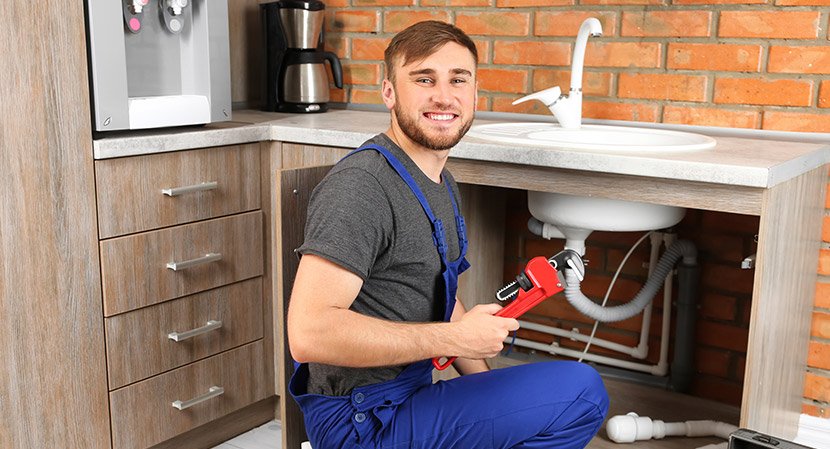
If you are uncertain which system you have, ask a qualified plumber to inspect it before ordering the shower.

A mixer shower combines hot and cold water before delivering it through the showerhead. It can be exposed, with visible controls and pipework, or concealed behind the wall for a more streamlined appearance.
Mixer showers are popular because they can provide a strong, comfortable flow when connected to a suitable water system. They are available in a wide range of styles, from simple bar mixers to luxurious multi-outlet arrangements with overhead and handheld showerheads.
A thermostatic mixer shower automatically adjusts the balance of hot and cold water to maintain a selected temperature. This helps reduce sudden temperature changes if another tap is opened elsewhere in the home.
However, the quality of the shower still depends on the available supply. A mixer shower cannot create pressure that the plumbing system does not provide. A gravity-fed system may need a compatible pump, while a combi or unvented system may deliver good pressure without one.
The hot and cold supplies should also be reasonably balanced. A significant difference between them can affect performance and may require additional plumbing measures or a valve designed for the specific conditions.
An electric shower uses cold water from the mains and heats it inside the shower unit. It does not depend on stored hot water and can continue providing a warm shower even if the boiler is unavailable, provided the water and electricity supplies are working.
This independence makes electric showers a practical choice for busy households and secondary bathrooms. They can also be useful where the available quantity of stored hot water is limited.
Electric showers are sold in different power ratings, commonly measured in kilowatts. A higher-rated unit can generally heat a greater volume of water to the required temperature, although performance still depends on incoming water temperature and mains pressure.
During winter, the incoming water is colder. The unit must work harder to heat it, which can reduce the flow rate at the showerhead. This is why an electric shower may feel less powerful during colder months.
Installing or replacing an electric shower is not simply a matter of attaching the unit to the wall. The electrical circuit, protective devices, cable size, water supply and manufacturer’s requirements must all be suitable for the selected model. Electrical work in a bathroom must be completed safely and in accordance with the applicable requirements.
A higher-powered replacement may require an electrical upgrade. Never assume that an existing circuit can support a more powerful unit without assessment by a suitably qualified electrician.
A power shower contains an integrated pump and mixes stored hot and cold water. It is designed primarily for traditional gravity-fed systems where the natural pressure is low.
The internal pump increases the flow to produce a more forceful shower. This can provide a significant improvement in properties with a hot-water cylinder and cold-water storage tank.
A power shower is not an electric shower. Although it uses electricity to operate the pump, it does not electrically heat the water. It requires an adequate supply of stored hot water.
Power showers are generally unsuitable for combination boilers and unvented cylinders because those systems already operate under mains pressure. Connecting an inappropriate pump to a mains-pressure system can cause performance, safety and compliance problems.
A power shower can also use a considerable amount of stored water. The cylinder and cold-water tank need enough capacity to meet household demand. If several people take consecutive showers, the stored hot water may be depleted.
A digital shower controls the water temperature and flow electronically. The mixing unit may be installed away from the visible controls, allowing a clean, minimalist bathroom design.
Depending on the model, the shower may include remote activation, programmable temperatures, warm-up indicators, app control or different settings for individual users. Some systems can operate multiple outlets, such as an overhead rain shower and a separate handheld attachment.
Digital showers are available for different water systems. Some are designed for high-pressure combi boilers and unvented cylinders, while pumped versions are intended for low-pressure gravity-fed systems.
Compatibility is essential. A digital shower should not be selected solely because of its design or features. The exact model must match the property’s plumbing arrangement, pressure range and available flow.
Digital systems also require suitable space for the processor or mixing unit, together with access for future servicing. These practical details should be considered during the bathroom design stage.
A thermostatic mixer shower is often a good choice for a home with a combination boiler. The boiler heats mains water on demand, removing the need for a separate hot-water cylinder.
Combi systems can provide good shower pressure when the incoming mains supply is strong and the boiler has sufficient hot-water output. However, pressure and flow are not the same. A property can have reasonable static pressure but insufficient flow when several outlets are used simultaneously.
If someone opens a kitchen tap while the shower is running, the available flow may be divided between the outlets. A correctly selected thermostatic shower can help control the temperature, but it cannot compensate for severely restricted mains flow or an undersized boiler.
Before selecting a large rain shower or multiple shower outlets, check the boiler’s hot-water performance. A visually impressive showerhead may require more water than the boiler can comfortably heat.
Conventional shower pumps are not normally fitted to the mains-pressure supply of a combi boiler. If the shower performance is poor, the underlying mains flow, boiler capacity and condition of the plumbing should be assessed rather than assuming that a pump can be added.
An electric shower may be considered if you want an independent option that does not rely on the boiler for hot water.
A gravity-fed system supplies hot water from a cylinder and cold water from a storage tank, normally located in the loft. Its pressure is created by the difference in height between the cold-water tank and the showerhead.
If the tank is only a short distance above the shower, the natural pressure may be low. A standard mixer shower could therefore produce an unsatisfactory flow.
A low-pressure mixer designed specifically for gravity-fed systems may be suitable in some properties. Alternatively, a power shower or correctly specified shower pump can improve performance.
The pump must be compatible with the plumbing layout and water-storage capacity. It also needs an appropriate location, stable base and adequate water supply. Poorly installed pumps can be noisy, cause airlocks or run without sufficient water.
The size of the hot-water cylinder matters as well. A powerful pumped shower can use stored water quickly, especially when fitted with a large showerhead. The plumber should assess whether the cylinder and tank can support the expected demand.
An electric shower can provide another option because it uses mains cold water instead of the stored supply. This may be particularly useful where the hot-water cylinder has limited capacity.
An unvented cylinder stores hot water under mains pressure. When installed and operating correctly, it can deliver excellent pressure and flow to a mixer or digital shower.
This type of system can be particularly suitable for larger showerheads, provided the incoming mains supply and pipework can deliver enough water. It may also support more than one bathroom, although simultaneous demand should still be assessed.
A conventional shower pump is not normally required and should not be connected without specialist advice. Unvented systems are already pressurised and contain important safety components.
A thermostatic mixer shower is a common choice. Digital showers designed for high-pressure systems can also work well.
The cylinder must contain enough hot water for the household’s normal routine. A large rain shower or multiple outlets may use substantially more water than a standard shower. Cylinder capacity, heat-recovery time and expected usage should therefore be considered together.
Work involving an unvented hot-water system must be undertaken by a person with the appropriate qualifications and competence.
Water pressure describes the force pushing water through the pipes. Flow rate describes the quantity delivered over a period, usually measured in litres per minute.
Both affect how a shower feels. Strong pressure with restricted flow may not supply a large showerhead effectively, while good flow at low pressure may still produce a gentle shower.
Static pressure is measured when no outlets are open. Dynamic pressure is measured while water is flowing and is often more relevant when assessing shower performance.
A plumber may test the pressure and flow at the property before recommending a shower. This is especially important when you are considering a large rain shower, body jets or multiple outlets.
Marketing terms such as “high pressure” and “powerful” should not replace an actual assessment. The product’s minimum and maximum operating requirements must match the property’s measured supply conditions.
A thermostatic shower is designed to maintain a more stable temperature when supply conditions change. If someone opens another tap or flushes a toilet, the valve responds by adjusting the mixture of hot and cold water.
This feature can make showering more comfortable and may reduce the risk of sudden temperature changes. It is particularly valuable in family homes and households with older or vulnerable occupants.
Thermostatic control does not eliminate every potential problem. Correct installation, commissioning and maintenance remain important. The hot-water temperature, supply balance and operating pressure must fall within the manufacturer’s requirements.
Thermostatic cartridges can also become affected by limescale or debris over time. If temperature control becomes inconsistent, the shower may need servicing rather than immediate replacement.
A large showerhead can create a luxurious appearance, but it usually requires an adequate flow rate. Installing an oversized rain shower on a low-pressure system may result in a weak and disappointing experience.
Smaller showerheads or models designed to optimise flow can perform better where the available supply is limited. Some handsets include selectable spray patterns, allowing you to choose between a wider spray and a more concentrated flow.
Water-saving showerheads reduce consumption by restricting or aerating the flow. They can be useful for controlling water and energy usage, but they must remain compatible with the shower and water system. Some shower types require a minimum flow to operate properly.
If you want both an overhead and handheld shower, establish whether they will be used separately or simultaneously. Running two outlets at once can substantially increase demand.
Think about how water is used across the whole property. A shower that works well when no other outlet is open may lose flow when a washing machine fills, a toilet is flushed or a kitchen tap is used.
Larger households should consider peak demand, particularly during the morning. A combi boiler may struggle to serve several hot-water outlets simultaneously, while a stored-water system may deliver a high flow but eventually run out of hot water.
If you are planning two showers, a bath and several bathrooms, the water system should be assessed as a whole. Upgrading a single shower without considering overall capacity may not deliver the expected result.
A professional assessment can identify limitations in the incoming mains supply, boiler output, cylinder capacity or pipework.
Even a well-chosen shower can perform poorly if the connecting pipework is too small, heavily restricted, badly routed or affected by scale and corrosion.
Long pipe runs, excessive bends and old fittings may reduce flow. Hot and cold supplies should be arranged in accordance with the shower manufacturer’s instructions.
Concealed showers require careful planning because valves, connections and pipework may be hidden behind tiles or wall panels. The installation should include appropriate access for servicing wherever required.
Waterproofing is equally important. A high-quality shower can still cause extensive damage if the enclosure, tray, joints or surrounding walls are not properly prepared and sealed.
Shower installation can involve pressurised water, hot-water systems, pumps and electrical connections within a bathroom. These elements must be designed and installed safely.
Electric showers require a suitable dedicated electrical supply and protective equipment. Shower pumps need correct water connections and electrical installation. Unvented systems must only be worked on by appropriately qualified professionals.
A professional installer will also consider isolation valves, drainage capacity, waterproofing, ventilation and future maintenance access.
Attempting to install an incompatible product can result in poor performance, leaks, electrical hazards or damage to heating and plumbing equipment. When in doubt, arrange an assessment before buying the shower.
One of the most frequent mistakes is purchasing a shower based entirely on appearance. A large rain shower may look impressive but perform poorly if the water system cannot provide the necessary flow.
Another mistake is assuming that every low-pressure shower can be improved with a pump. Pumps must be compatible with the supply arrangement and cannot simply be added to every system.
Homeowners also sometimes confuse electric showers with power showers. An electric shower heats mains cold water, while a power shower pumps and mixes stored hot and cold water.
Other common mistakes include choosing an electric shower with a higher power rating than the existing circuit can support, failing to account for simultaneous water use and installing concealed equipment without suitable maintenance access.
Obtaining professional advice before ordering products can prevent these costly problems.
For a combination boiler, a compatible thermostatic mixer shower is often an effective choice, provided the boiler and incoming mains supply can deliver sufficient hot water. An electric shower can provide an independent alternative.
For a gravity-fed system, consider a low-pressure mixer, power shower or properly specified pumped arrangement. The available stored water and height of the cold-water tank must be assessed.
For an unvented cylinder, a high-pressure thermostatic mixer or compatible digital shower can offer excellent performance. The incoming flow and cylinder capacity still need to meet demand.
For a property without a dependable stored or boiler-generated hot-water supply, an electric shower may be the most practical solution.
The best option is ultimately the one that matches your water system, pressure, flow, household routine, bathroom design and budget.
Choosing the correct shower at the beginning of a bathroom project helps prevent weak flow, unstable temperatures and unnecessary alterations. It also allows the pipework, electrical supply, waterproofing and drainage to be planned around the selected product.
Plumb Suite Ltd provides professional shower installation and bathroom renovation services across Suffolk and surrounding areas. We can assess your existing water system, discuss suitable shower options and install your chosen equipment with careful attention to performance, safety and appearance.
Whether you are replacing an old shower, converting a bath into a shower or planning a complete bathroom renovation, our team can help you choose a solution suited to your home.
Call 0330 043 9280 or visit www.plumbsuite.co.uk to arrange an appointment or request a quotation.
This article provides general guidance only. Water systems, electrical installations and manufacturer requirements vary between properties. Always obtain advice from appropriately qualified professionals before purchasing or installing a shower.

This post hits home because my old showerhead never worked right with our low pressure system. Switched to a pressure-boosting one last year and the difference is night and day. Anyone else deal with that?

Home & Plumbing Blogger
Sophie Carter is a home improvement writer for Plumb Suite Ltd, sharing practical advice on plumbing, bathroom renovations, maintenance and water efficiency. She turns technical topics into clear, helpful guidance, helping homeowners make confident decisions, prevent common problems and create bathrooms that are both stylish and functional.

