

Better Plumbing Better Living
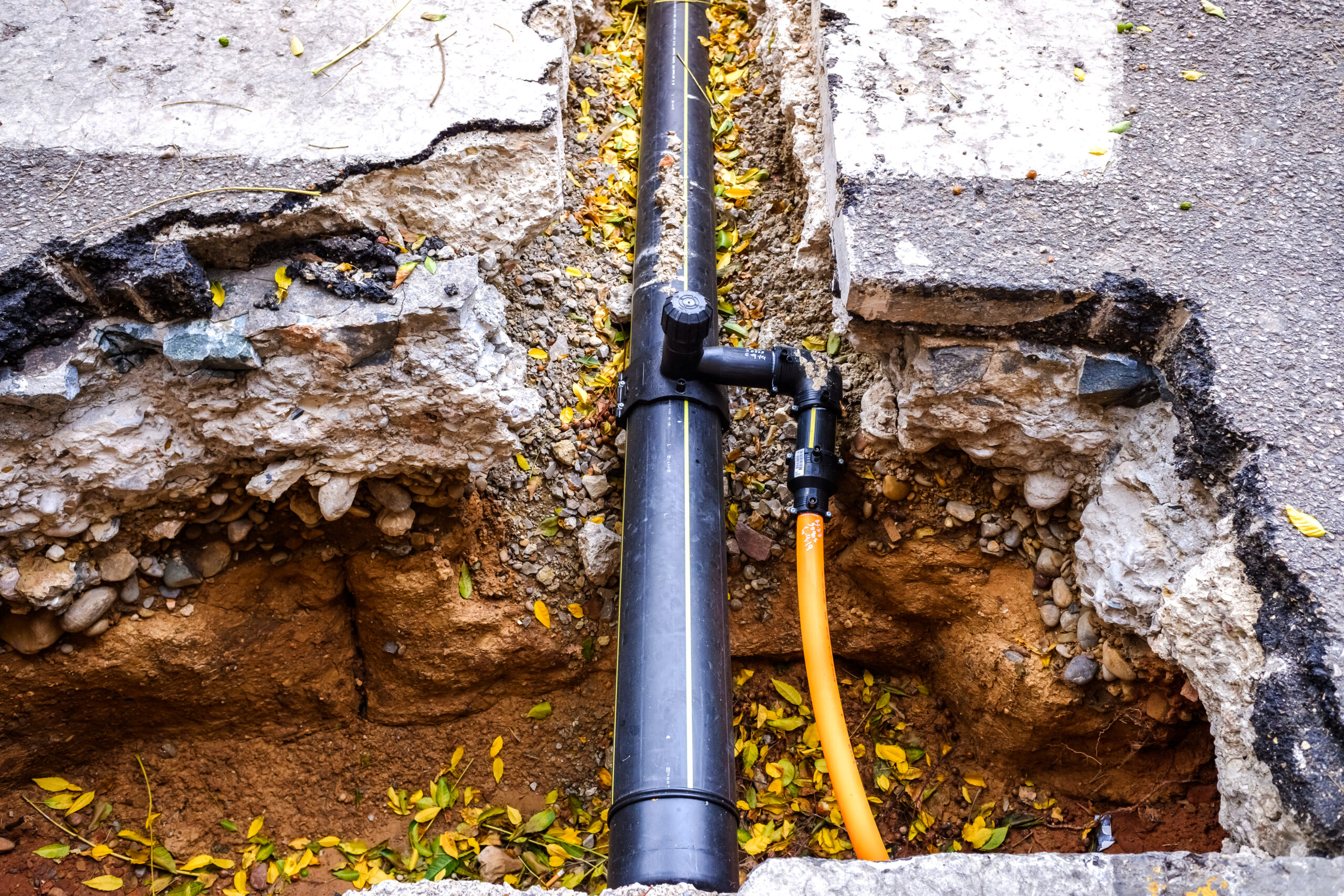
A burst pipe is one of the most serious plumbing emergencies a homeowner can face. Water can spread through a property surprisingly quickly, damaging ceilings, walls, flooring, furniture, electrical systems and personal belongings. If the leak is not brought under control promptly, it may also lead to damp, mould growth and costly structural repairs.
The most important thing is to remain calm and act in the correct order. Your immediate priorities are to stop the water supply, protect everyone in the property, minimise damage and contact a qualified plumber.
This emergency guide explains exactly what to do when a pipe bursts, what you should avoid doing and how to reduce the risk of another burst pipe in the future.
Some burst pipes are immediately obvious. You may see water spraying from exposed pipework or pouring through a ceiling. However, other bursts happen beneath floors, behind walls or inside enclosed spaces.
Warning signs can include:
If you suspect that a pipe has burst, do not wait for the source to become completely visible. A concealed leak can continue causing damage behind the surface. Treat the situation as an emergency and shut off the water supply as soon as it is safe to do so.
Your first action should be to stop more water from entering the damaged pipe.
Locate your property’s internal stop tap, also known as a stopcock, and turn it clockwise until it is fully closed. The stop tap is commonly found beneath the kitchen sink, inside a utility room, beneath the stairs, in a downstairs toilet or near the point where the main water pipe enters the property.
Once the stop tap has been closed, turn on the cold taps around your home. This will allow some of the remaining water to drain from the system and reduce pressure within the affected pipework.
If the internal stop tap is seized, inaccessible or fails to stop the water, you may need to use the external stop valve. This is often located beneath a small cover near the property boundary or pavement. However, access arrangements vary, and external valves may serve more than one property.
Do not use excessive force on a stiff valve, as this could cause further damage. If you cannot isolate the water safely, contact an emergency plumber and your water supplier for guidance.
Everyone in the household should know where the internal stop tap is located. Taking a few minutes to find and test it before an emergency occurs can save valuable time.
Water and electricity are a dangerous combination. If water is leaking near sockets, electrical appliances, wiring, a consumer unit or light fittings, keep everyone away from the affected area.
If you can reach the electricity supply without entering standing water or touching wet surfaces, switch off the power at the consumer unit. If the consumer unit itself is wet, surrounded by water or located close to the leak, do not approach it.
Never touch a wet switch, socket, appliance or light fitting. Do not stand in water while attempting to turn off the electricity.
If you believe there is an immediate electrical danger, leave the affected area and seek professional assistance. Depending on the circumstances, you may need help from both an emergency plumber and a qualified electrician.
Electrical safety must always take priority over protecting flooring, furniture or possessions.
If the burst pipe is connected to your heating or hot-water system, switch off the boiler and central heating controls, provided it is safe to do so.
Do not attempt to dismantle the boiler or remove its casing. Boiler and heating repairs should only be undertaken by an appropriately qualified professional.
If you have an immersion heater, switch it off at the relevant control only if the area is completely dry and safe to access.
Turning off the heating system can help prevent additional water circulation and reduce the risk of damage to associated components. However, it may not stop the leak completely, particularly if water remains stored in a tank or cylinder.
Tell the emergency plumber whether the escaping water appears hot or cold and whether it may be connected to the heating system. This information can help them assess the situation before arriving.
Once the immediate water and electrical risks have been addressed, contact a qualified emergency plumber.
Provide as much useful information as possible, including:
Photographs or a short video may help the plumber understand the extent of the emergency, but only take them if it is safe to do so.
Plumb Suite Ltd provides emergency plumbing assistance for burst pipes, serious leaks, overflowing fixtures and other urgent plumbing problems across Suffolk and surrounding areas. Contacting a professional promptly can help limit damage and ensure that the source of the problem is correctly identified.
Closing the stop tap prevents new mains water from entering the plumbing system, but some water may remain inside the pipes and storage tanks.
Open the cold taps, beginning with taps on the lowest level of the property. Then open the upstairs taps. This can help drain the remaining water and relieve pressure.
If the leak is associated with the hot-water system, the response may depend on the type of system installed. Avoid attempting to drain cylinders, tanks or specialist heating equipment unless you have been instructed to do so by a qualified professional.
You should also flush toilets once after isolating the supply, provided doing so will not cause an overflow. This can remove water held inside the cistern.
Do not leave taps running unattended, particularly if sinks or drains are already blocked.
After isolating the water supply, use containers, towels or absorbent materials to control the remaining leak.
Buckets, washing-up bowls and waterproof storage containers can collect dripping water. Towels can be placed around the affected area to slow the spread across hard flooring.
Move furniture, rugs, electrical devices and valuable possessions away from the water. If practical, lift curtains and other fabrics clear of the wet area.
A temporary pipe-repair tape, clamp or patch may reduce a small leak until the plumber arrives. However, these products are only temporary measures. They should never be treated as substitutes for a professional repair.
Do not attempt a temporary repair if the pipe is difficult to reach, the area is electrically unsafe, hot water is escaping or the surrounding structure appears unstable.
A burst pipe in an upstairs room, loft or concealed ceiling space may cause water to collect above the plasterboard.
Warning signs include:
Keep everyone out of the room if the ceiling is bulging or appears unstable. Waterlogged plasterboard can become extremely heavy and may collapse without warning.
Do not stand beneath the damaged area. Do not puncture a bulging ceiling unless a competent professional has assessed the risks and told you how to proceed. Although releasing trapped water may sometimes reduce pressure, doing so without understanding the location of electrical wiring and structural elements can be dangerous.
Once the situation is under control and the property is safe, take photographs and videos of the damage.
Record:
Keep copies of plumbing invoices, emergency call-out charges, drying costs and repair estimates. If you intend to make an insurance claim, contact your insurer as soon as reasonably possible and follow its instructions.
Do not permanently dispose of damaged items until your insurer has confirmed whether they need to be inspected. However, you should not keep anything that presents a health or safety risk without first seeking appropriate advice.
After the pipe has been repaired and the area has been declared safe, begin drying the property.
Remove wet towels and other absorbent materials. Open windows where weather and security conditions allow, and encourage airflow through the affected rooms. Dehumidifiers and suitable fans may help, although electrical equipment should only be used after the electrical installation has been confirmed safe.
Porous materials such as plasterboard, insulation, chipboard flooring and some types of underlay can retain significant amounts of water. They may require professional drying, treatment or replacement.
Drying the visible surface is not always enough. Moisture can remain inside walls, beneath flooring and within ceiling cavities. If the incident was extensive, consider arranging a professional moisture assessment.
Prompt and thorough drying helps reduce the risk of:
A quick response is important, but unsafe or rushed actions can make the situation worse.
You should not:
A leak may appear to stop after the mains supply has been isolated, but the damaged section will usually begin leaking again when pressure is restored. The pipe still needs to be examined and repaired.
Understanding the cause can help prevent the problem from happening again.
When water freezes inside a pipe, it expands and creates pressure. This pressure can split the pipe or damage a joint. The leak may not become apparent until the ice thaws and water begins flowing again.
Pipes in lofts, garages, outbuildings, exterior walls and poorly insulated cupboards are particularly vulnerable.
Older metal pipes may weaken because of corrosion. Deterioration can result in small pinhole leaks or a sudden rupture.
Water pressure that is too high can place continued stress on pipes, valves, flexible hoses and joints.
Unsupported pipework, badly made joints, unsuitable materials and incorrectly tightened fittings may all contribute to premature failure.
Pipes can be punctured by nails, screws, drills and building work. Damage may occur immediately or weaken the pipe until it fails later.
Obstructions, closed valves and sudden changes in pressure can place additional strain on parts of the plumbing system.
Vibration, thermal expansion and structural movement can affect pipework, particularly when pipes are not properly supported or protected.
Not every plumbing emergency can be avoided, but routine maintenance and preparation can significantly reduce the risk.
Fit suitable insulation around pipes in cold areas, including lofts, garages and outbuildings. Water tanks and exposed fittings may also require appropriate protection.
During very cold weather, keeping the property at a consistent minimum temperature may help prevent pipes from freezing. This is particularly important when the property is vacant.
A dripping joint, patch of corrosion or unexplained damp mark may be an early warning. Arrange an inspection before the problem develops into a major leak.
Flexible connections serving toilets, taps, washing machines and dishwashers can deteriorate. Inspect them regularly for corrosion, cracking, bulging or fraying.
Label the stop tap and ensure that responsible members of the household know how to use it. Test it occasionally without applying excessive force.
Periodic inspections can identify worn components, poor water pressure, corrosion and vulnerable pipework before failure occurs.
If your home will be unoccupied during winter, consider suitable heating, insulation and water-isolation arrangements. Ask a plumber for advice if you are unsure how to protect the system.
A small temporary patch may slow a leak, but a burst pipe normally requires professional attention.
A plumber will need to determine why the failure occurred, remove or repair the damaged section and check the surrounding pipework. Simply covering the visible split may leave corrosion, excessive pressure or another underlying problem unresolved.
Professional repair is especially important when the leak is:
The plumber may also recommend replacing a wider section of pipe if the surrounding material is weakened.
Contact an emergency plumber when water is flowing uncontrollably, damaging the property or creating a risk to occupants.
Urgent assistance is particularly important if:
A minor dripping tap may be suitable for a scheduled appointment. A burst pipe, uncontrolled leak or electrical risk should be dealt with immediately.
When a pipe bursts, fast and careful action can make a substantial difference. Turn off the water, keep away from electrical hazards, contain the leak where it is safe to do so and contact a qualified plumber.
Plumb Suite Ltd provides dependable emergency plumbing support across Suffolk and surrounding areas. Whether you are dealing with a burst pipe, hidden leak, overflowing fixture or damaged plumbing connection, our team can assess the problem, carry out the necessary repair and help protect your property from further damage.
For emergency assistance, call 0330 043 9280 or contact Plumb Suite Ltd through www.plumbsuite.co.uk.
This guide provides general information only. Plumbing systems and emergency conditions vary between properties. Never take an action that places you at risk, and seek professional assistance whenever water is close to electricity, a structure appears unstable or you cannot safely isolate the supply.

This guide is a lifesaver! I had a pipe burst last winter and panicked until I remembered to turn off the main water valve. What other steps do you think are most important in the first minute?

Home & Plumbing Blogger
Sophie Carter is a home improvement writer for Plumb Suite Ltd, sharing practical advice on plumbing, bathroom renovations, maintenance and water efficiency. She turns technical topics into clear, helpful guidance, helping homeowners make confident decisions, prevent common problems and create bathrooms that are both stylish and functional.

